Author Archives: Dean Allen

Unknown's avatar

About Dean Allen

Six continents in ten months! For much of 2014 and 2015, I shared a family sabbatical with my wife, son, and daughter. During Summer 2019, we took another round-the-world trip. I learned that I was at home while traveling. In this blog, I have described some of our experiences and the lessons we learned traveling the world. You will see my (Dean's) reflections at LDeanAllen.com and my daughter, Rachel's, reflections at RachelSeesTheWorld.wordpress.com. Now, we are at home. I (Dean) am a professor at Northwest Florida State College, and I encourage students to find the good life. My teaching is informed and enriched by my travel. I also serve as pastor of a congregation, seeking to foster a community in which people live their lives with deep meaning, fullness, and joy.

On Safari at Chobe, Bostwana

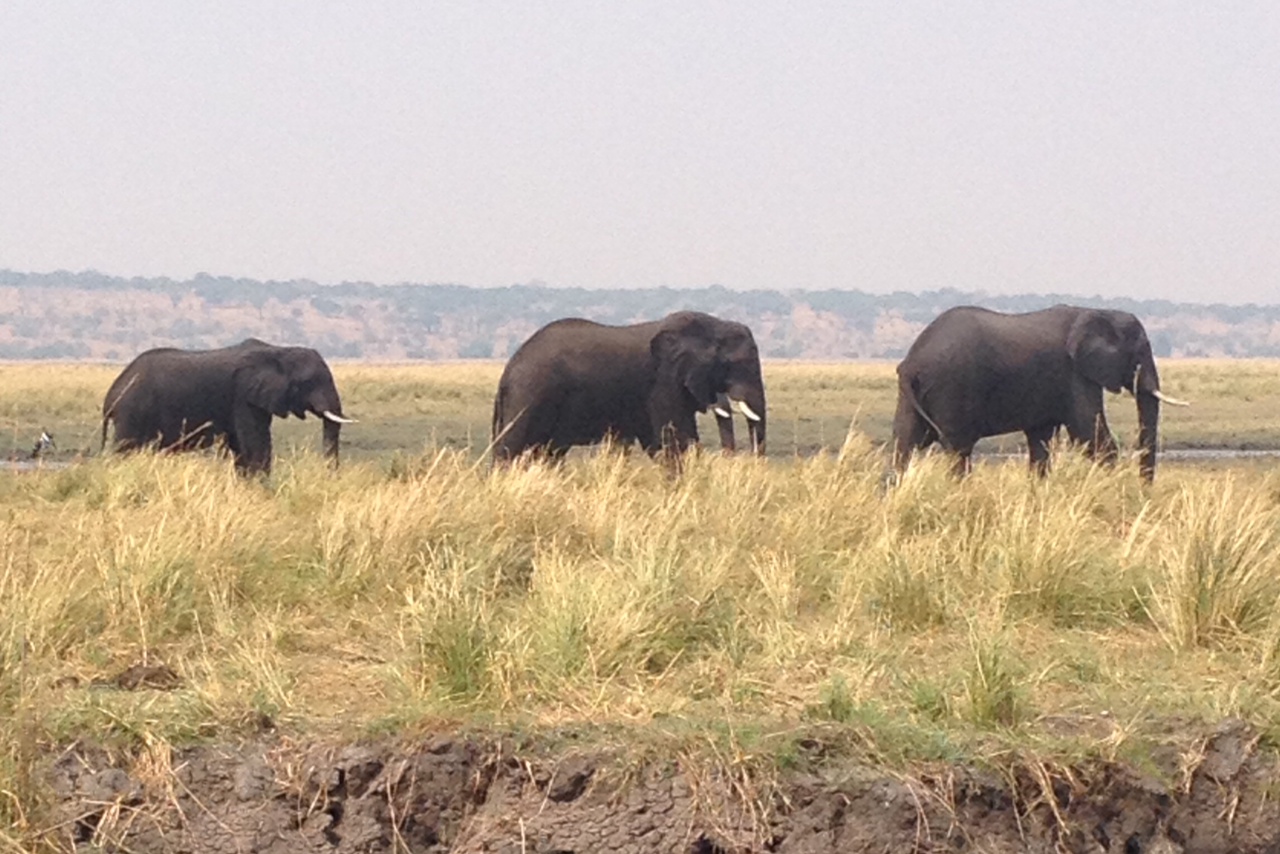
A few years ago, my wife and I went on safari in Kenya. While watching lions, giraffes, water buffaloes, elephants, and other animals I remember thinking, “I really want our children to experience this!” As part of our round-the-world family sabbatical, we included a safari in Chobe National Park in Bostwana. Chobe is best known for elephants, and we saw lots of them, but there were plenty of other animals to see.Safari Bus

HippoWe drove about 70 kilometers from Livingstone, Zambia, to the border with Botswana, went through customs, jumped in a small boat to cross the Zambezi River, and continued to Kasane, Bostwana. Our safari included two boat rides on the Chobe River, several game drives in the Chobe National Park, two nights sleeping in tents, and five or six scorpions at our camp site.

Fish EagleAfter arriving, we boarded a boat with our captain named Captain (no kidding). On the Chobe River, we saw lots and lots of animals up close: elephants swimming across the river, hippos marking their territory (it’s both fascinating and rather gross to watch), crocodiles sunning, water buffaloes grazing, and lots of birds catching fish.

We were especially pleased to see African Fish Eagles, birds that look very similar to the American Bald Eagle with dark feathers and white heads. The birds mate for life, and we saw pairs of them in their nests and flying over the river. The fish eagle has a distinctive call, sometimes called the Sound of Africa, and we were delighted to see the birds and hear their call.

Chobe LeopardAfter our boat ride, we climbed aboard our cruiser with Sinka, our driver and guide. Sinka was a gregarious man with an easy laugh, gentle spirit, and uncanny ability to spot animals. During our first afternoon, Sinka helped us find a leopard by driving slowly around the back of bushes to a shaded area where he thought the leopard might be resting. As we turned, there it was! We gasped in delight to see the big cat. On our second day, we watched another leopard stalk a wart hog before giving chase. The wart hog eluded the leopard and lived another day.

LionsEach day, as the daytime gave way to evening, we noticed the activity changing. Lions began to wake from their daytime slumber and prepare for the evening’s hunt. One evening, we spent a long time watching three lionesses with their cubs prepare to hunt. Gathering their cubs, the lionesses made their way to the river, took long drinks of water, and headed off to hunt as dusk fell over the land.

Chobe Elephant and GiraffeGoing on safari amazed me the second time just as much as my first experience. This time, however, seeing the animals, listening to sounds from the bush, and sleeping in tents was more special because my wife and I shared it with our children. We still talk about the bachelor herds of elephants we saw — large groups of male elephants that have been forced out of herds with mothers and babies. And we still laugh about bouncing to and fro while riding in our open-air cruiser.

Once again, I loved watching the animals and the beautiful scenery, but this time, I especially loved watching my children see and experience all of it.Chobe Bachelor Herd
Victoria Falls

Victoria Falls is known as Mosi-oa-Tunya, “The Smoke that Thunders,” because of the great cloud of mist that rises when the Zambezi River cascades over the falls at the border of Zambia and Zimbabwe.

We visited Victoria Falls at the beginning of October during the dry season, which usually lasts from May to October.  During those months, the Zambezi River slows, and much of the falls does not have water cascading over it.  While this could seem disappointing, it actually makes possible a wonderful visit to the falls.

If you visit Victoria Falls during the dry season, you have an opportunity to swim to the edge at Devil’s Pool.  You can take a boat to Livingstone Island, and from there, you walk near the top of the falls before jumping into the Zambezi.  Then, you swim — or more accurately you are pushed by the current — to the fall’s edge.  Then, a natural rock wall stops you from going over the top of the falls.

Vic Falls RainbowThere, you can sit at the top of the falls, watch water rush past you as it goes over, and see rainbows formed by the mist.  It is an amazing experience that is well worth the time, effort, and expense.

After we finished our swim in Devil’s Pool and were safely back on land, we visited the Mosi-oa-Tunya National Park.  A helpful guide took us on a walking tour of the falls, and because of the lower water level, we walked literally up to the edge.  We stretched out on our bellies and looked over the top of the falls.  Like swimming in Devil’s Pool, it took my breath away!

Victoria FallsSo often we seek superlatives:  the biggest, the best, the tallest, the greatest, the most.  On my trip to Victoria Falls, I was reminded that something can we wonderful — even better — when it is not the biggest, the greatest, or the most.  Had I visited Victoria Falls during the rainy season, much more water would have rushed over the falls.  The spray would have been taller, and the roar louder.  But, I would have missed the chance to swim in Devil’s Pool and found my heart thumping in the midst of the Smoke that Thunders.

Quiet Canal in Venice

We arrived in Venice after a long period of intense travel. After a fantastic time in Zambia and Botswana (more about those destinations in a future blog post), and ten wonderful but exhausting days in Palestine/Israel, we made our way to Italy. We had a deeply meaningful time in the beautiful city of Assisi, including Sunday mass at the Basilica of St. Francis, and three wonderful but also fast-paced days in Florence with our new friend, Alessandro Vannini, a Florentine artist.

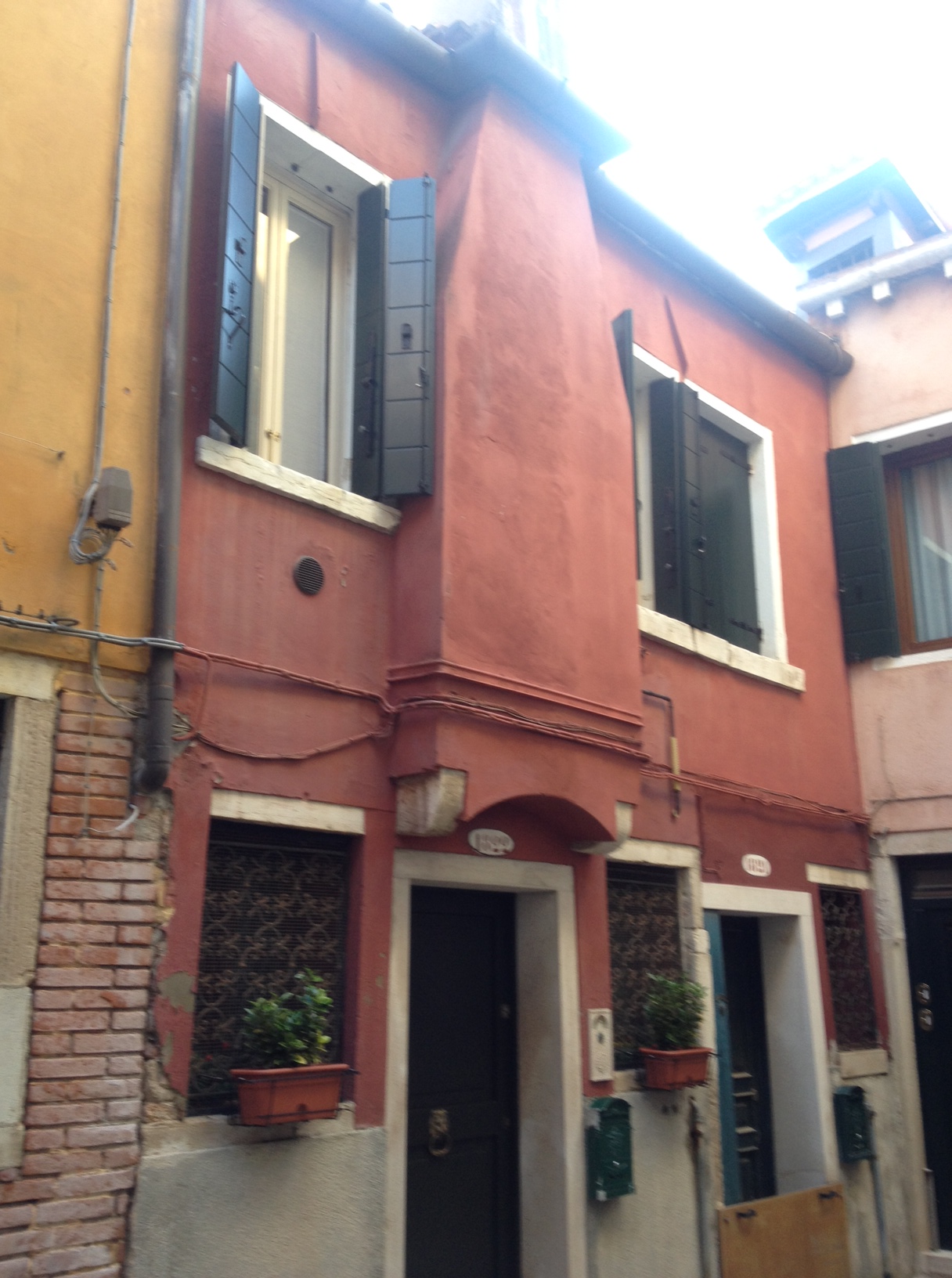
Front of our apartment in Venice

Front of our apartment in Venice

Then, we journeyed to Venice. We parked our car, took the water taxi into the city, and made our way to our apartment. And, we found a wonderfully quiet canal and square that was our home for three days of rest.

It is estimated that thirty million tourists travel to Venice each year. Nearly all of them head to Piazza San Marco and the Doge’s Palace, and we also made our way there to join the crowds filling the area. Even in late October and early November, the area was packed with people.

But we also retreated to our apartment in the San Croce neighborhood far away from the crowds, which proved to be the highlight of our time in Venice. We really enjoyed staying in Venice. It was beautiful and interesting in all the ways we expected. But unexpectedly, it proved to be a quiet and peaceful place to rest after an extended period of intensive travel.

Canal behind our apartment

Canal behind our apartment

My favorite activities were walking around the quiet neighborhoods, especially after dark when street lights kept everything bright, and listening to water lap on the boats in the canal behind our apartment.

If you have a chance to travel to Venice, go. If you like large crowds, you will find plenty of people to join. But, if you are looking for a beautiful and quiet place to be, there are many such spots in Venice.

The Innocents

Two events — unexpected and unplanned — happened during our long-term travel. We spent many days traveling in Palestine and Israel before heading to Italy. In Palestine, we spent time in Bethlehem where we saw Shepherds’ Fields, Manger Square, and the Church of the Nativity. While in the Grotto of the Nativity, we joined other faithful ones remembering the birth of Jesus. About fifty women from Brazil were singing in the grotto, and the sound of their voices reverberated throughout the grotto while we visited.

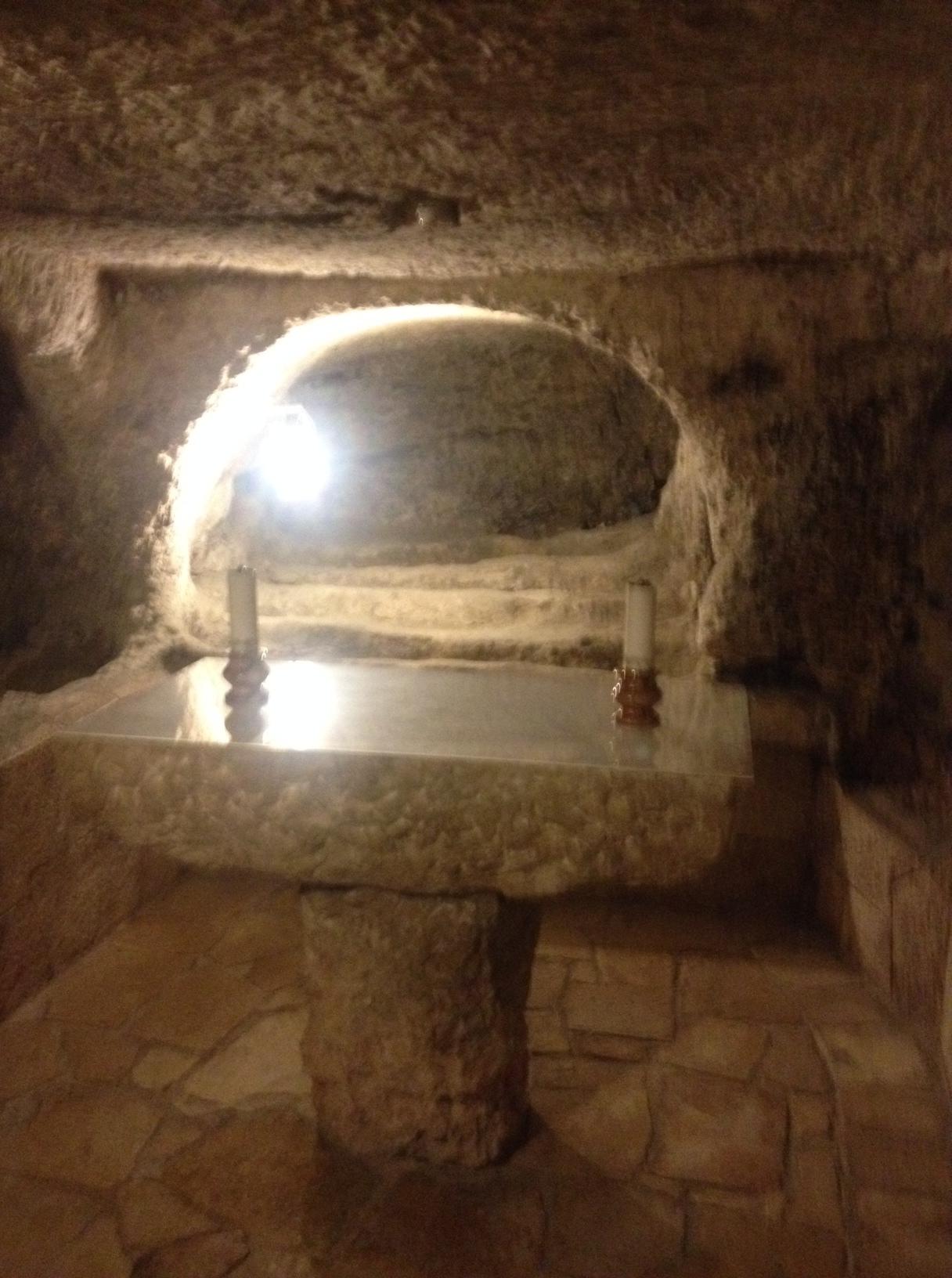
Numerous other chapels are located in or near the Church of the Nativity. One of these — the Chapel of the Innocents — commerorates the infanticide ordered by Herod after hearing about Jesus’ birth from the Magi. In the gospel of Matthew, chapter 2, we read that Herod ordered the death of children aged two and younger in Bethlehem. The slaughter of the innocents is a difficult, and theologically challenging, aspect of the gospel story.

Chapel of the Innocents, Bethlehem

Chapel of the Innocents, Bethlehem

Under the Church of the Nativity, away from the Grotto of the Nativity with its crowds of pilgrims, the Chapel of the Innocents sat quiet and empty. Perhaps that was a fitting testimony.

After leaving Israel/Palestine, we traveled to Italy. While in Florence, we made the rounds of important sites such as the Ufizzi Gallery and the Galleria dell’ Accademia di Firenze. While at the Accademia, I found an unexpected treasure. After seeing Michelangelo’s David, which at seventeen feet tall is incredible and awe-inspiring, I turned left to go into another gallery. There, in a room filled mostly with statues, a few paintings are on the wall. At the far end of the room, on the left side of the wall, I saw a painting that took my breath away.

Antonio Puccinelli, The Massacre of the Innocents (1852)

Antonio Puccinelli, The Massacre of the Innocents (1852)

Antonio Puccinelli painted The Massacre of the Innocents in 1852, and in it, he captures the terror of mothers whose children are to be killed because of Herod’s order. In the background, one mother cries out in anguish over her dead child, lifting her hands raised to the sky. In the foreground, another mother carries her child away, covering his mouth to keep him from making noise and being discovered. Her face is filled with worry as she flees.

Puccinelli (1822-1897), a Florentine painter, was best known for his realism. He depicted everyday scenes with special focus on regular people in normal settings. In The Massacre of the Innocents, Puccinelli captures the experience of a regular woman, a mother desperate to keep her child alive.

After looking at the painting for a long time, I rushed to find my wife and encouraged her to see it as well. Then, together, we looked at this painting, marveling at its depiction of the scene in a way that neither of us had ever seen before.

Jewels in Jericho

Monastery of Temptation

Monastery of Temptation

While in Jericho, we traveled up the Mount of Temptation to see the monastery on the site commemorating Jesus’ temptation in the wilderness. The trip is fast and easy today thanks to a cable car that whisks you up the mountain!

Like so many sites in Palestine and Israel, caves provided the setting for important events. Mary likely was told of Jesus’ coming birth in a cave, Jesus may have been born in a cave, and Jesus taught his disciples in caves.

View of Jericho from Mount of Temptation

View of Jericho from Mount of Temptation

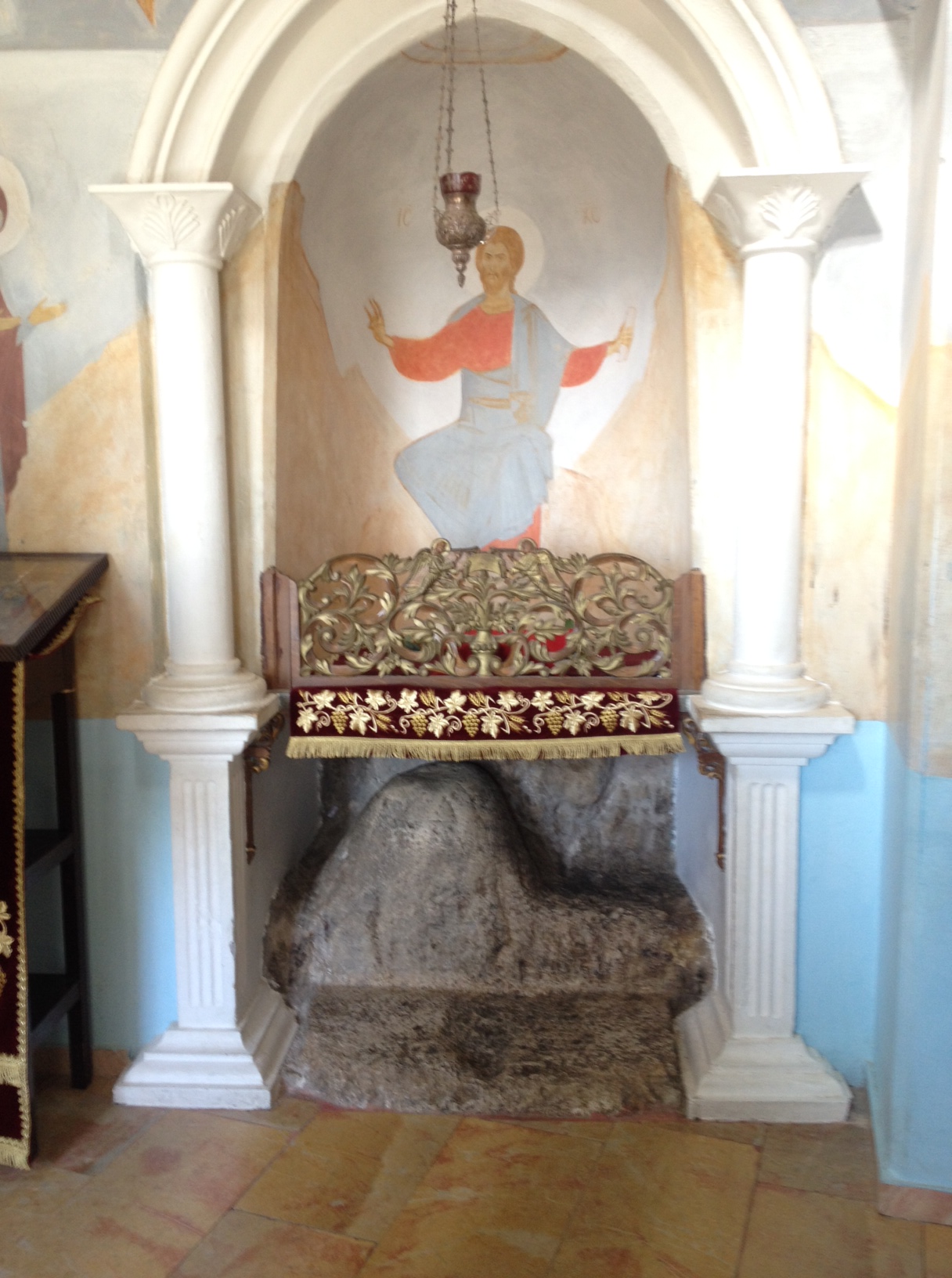
The Monastery of the Temptation amazingly clings to the mountainside about 350 meters above sea level, and it encompasses caves in which Jesus is believed to have endured his temptation. From the monastery, you can view the oasis of Jericho in the midst of the dry land surrounding the Dead Sea. It includes beautiful icons well worth seeing.

In one spot, pilgrims are invited to see a rock on which Jesus is thought to have sat while tempted.Rock of Temptation

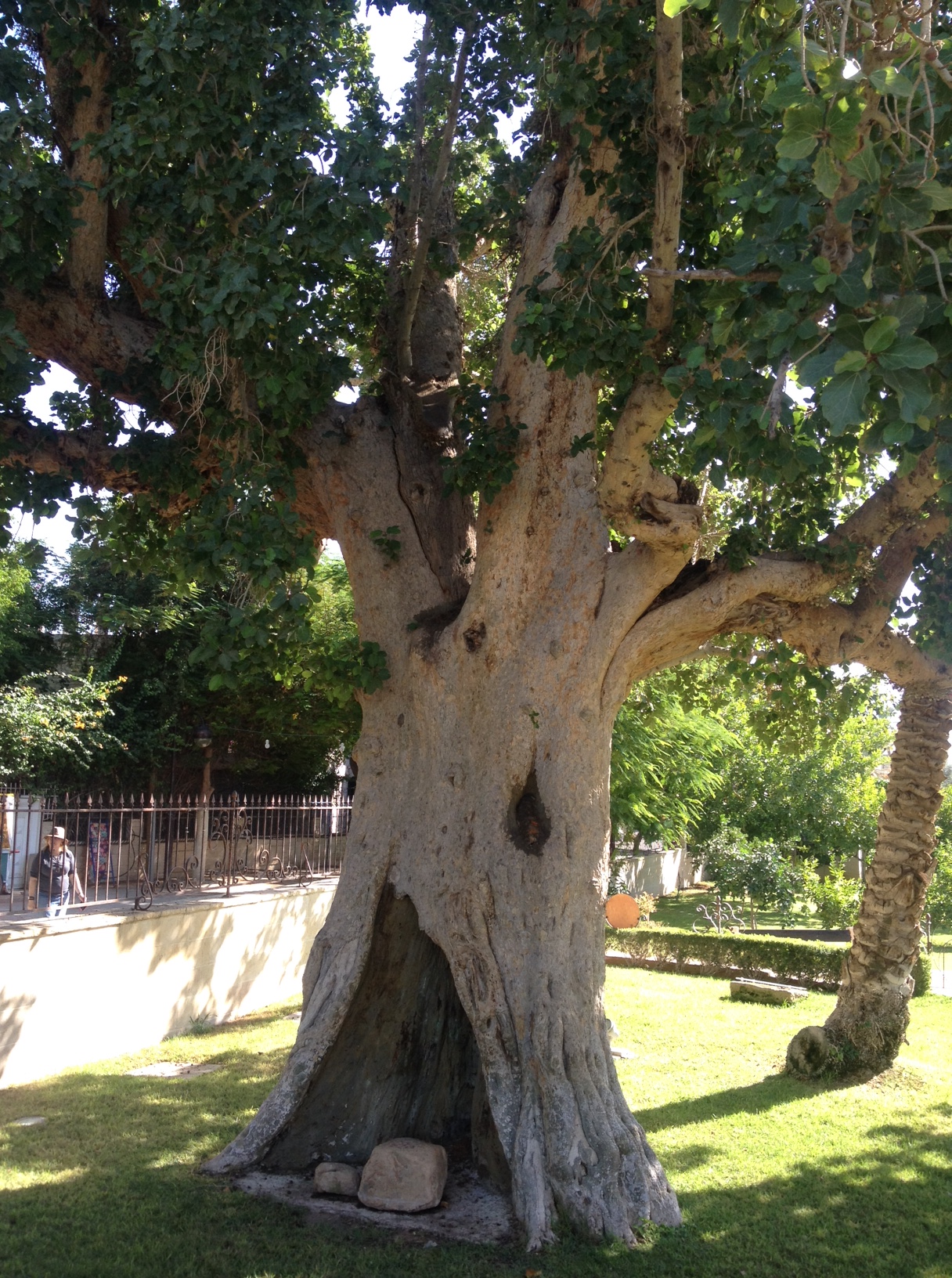
While in Jericho, we also stopped to see the old sycamore tree in town.

As a young child, I remember learning the song about Zaccheus, the tax collector whose short stature required him to climb a sycamore tree to catch a glimpse of Jesus as he passed through Jericho.

Zaccheus was a wee, little man.
A wee little man was he.
He climbed up in a sycamore tree
For The Lord he wanted to see.
And when the Savior passed that way, He looked up in the tree.
And said, ‘Zaccheus, you come down, for I’m going to your house today.’

Sycamore Tree in Jericho

Sycamore Tree in Jericho

Visiting the tree reminded me of Jesus’ audacious willingness to fellowship with people viewed as sinful and despised by others. It also reminded me of the change brought about in Zaccheus. After his encounter with Jesus, Zaccheus gave half his possessions to the poor and restored four-fold any money he had taken wrongly from people. You may read this story in the Gospel of Luke, chapter 19, verses 1-10.

If you have the opportunity, make the trip to Jericho.

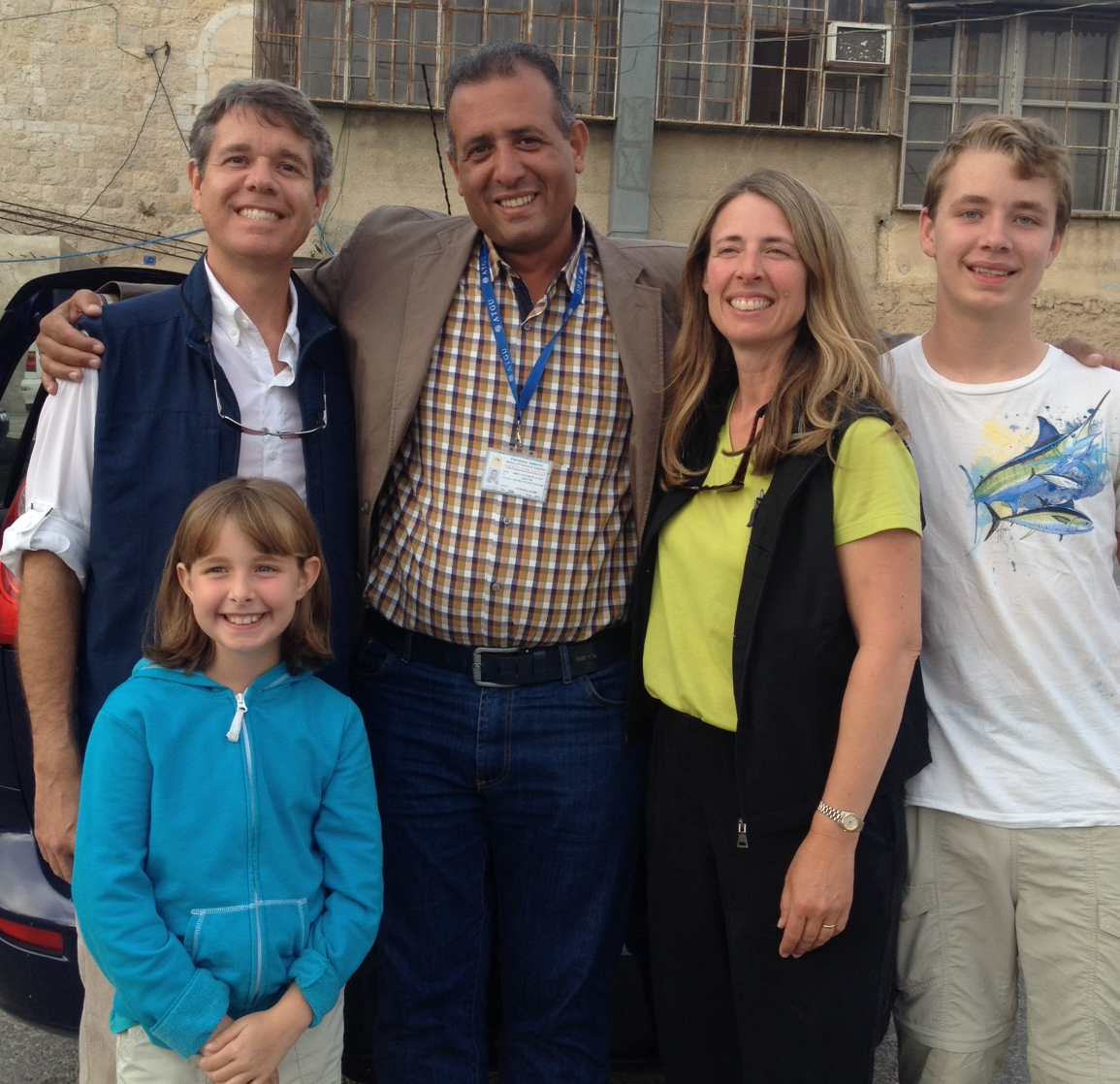
Naser Alawy, new friend in Bethlehem and Jericho

Like so many pilgrims to Israel/Palestine, we wanted to see Bethlehem and Jericho. Our time in these areas was wonderful because of our guide and friend, Naser Alawy, a native of Bethlehem.Naser cropped As we drove south from Jerusalem, Naser met us just before we reached Rachel’s Tomb and the check point to go into Bethlehem.  He showed us where to park our rental car and ushered us through the check point. Then, we shared a deeply meaningful day in Jericho and Bethlehem.

After working as a physical therapist in Spain, Naser wanted to return home. He graduated from the tour guide program at Bethlehem Bible College. I encourage you to contact Naser if you need a guide in these areas. His email address is NaserAlawy@yahoo.com.

In addition to providing historical information and helpful driving, Naser also took us to a Palestinian restaurant for lunch, helped us choose special dishes, and shared a delicious meal with us.

As our day ended, Naser accompanied us back through the check point and escorted us to our car. As I watched Naser walk back to his home in Bethlehem, I was both grateful for a wonderful day and sad to see a special man going to the other side of concrete fences and barbed wire.

Part of the joy of travel includes seeing important places, but it is even more touching to meet wonderful, caring people. Naser is one of the special people we have met during our travels, and I feel that we have a friend in Bethlehem.

I pray for his well being and that of his family, and I hope our paths will cross again.

Magdala Center

Like many pilgrims visiting Galilee, my family tried to pack as much as we could into each day. We saw important places such as Jesus’ town of Capernaum, the Mount of Beatitudes, and the Church of Multiplication of the loaves and fishes at Tabgha.

Near the end of one meaningful but long day, my mother asked if we could stop at Magdala, the hometown of Mary Magdalene. She at least wanted to take a picture. We stopped, thinking that we would be there only a couple of minutes. And, to our surprise and delight, we discovered a jewel on the northern shore of the Sea of Galilee.

The site has amazing first-century ruins including a synagogue, mikveh baths, homes, streets, and mosaics. Archeological digs are ongoing, and the findings surely will continue to be important.

The site also houses the Magdala Center, a Roman Catholic endeavor dedicated to women’s well-being and wholeness. Eventually, a conference center will be built to welcome groups for retreats and gatherings.

Very near the shore of the Sea of Galilee, a chapel was completed earlier in 2014. The architecture is beautiful and deeply inspiring. The colors replicate those found in the first-century synagogue on the site. The entry rotunda includes seven pillars inscribed with women’s names from Scripture. An eighth pillar is left blank, inviting women to include themselves among the faithful ones loved by God. Four chapels surround the rotunda, and each one includes a mosaic depicting a scene from Jesus’ ministry.

The main chapel’s altar is in the shape of a Galilean fishing boat. During worship, congregants look at the altar, then through glass panels out to the sea. They are invited to recall Jesus’ words in Luke, chapter 5, encouraging the first disciples to go deeper into the water and put down their nets.

In the years to come, as funds are provided, the Magdala Center and its work will grow.

If you have an opportunity to visit, I encourage you to do so.

To learn more, go to http://www.MagdalaCenter.com.

IMG_2375.JPG

Gates of Hell

While visiting Galilee, my family travelled north to the Golan Heights to experience the setting of one of Jesus’ important teachings.

In Matthew 16:13-20, we read that Jesus went with his disciples to Caesarea Philippi. He asked them to describe others’ perceptions of him. Jesus asked, “Who do people say that the Son of Man is?” They replied, “Some say John the Baptizer, but others Elijah, still others Jeremiah or one of the prophets.” Jesus then asked the disciples about their understanding of him. Simon Peter replied that Jesus is the Messiah, the Son of the living God. Jesus called Simon blessed and said that he would build his church upon Simon Peter’s confession. Jesus finally promised that the gates of Hades would not prevail against his church.

The setting for this teaching was a cave and spring where the Greek god Pan was worshipped and where Herod the Great’s son, Herod Philip, made his capital. Waters flowed from the spring, spilling through the cave, and it was known as the gates of hell. Jesus used the physical location of the cave to teach his disciples that their confession of faith in him would last longer even than the rocks where they gathered.

Today, the location is in the Banias National Park. It takes a bit more than an hour to drive north from Tiberias, but the drive is worth it. The setting is peaceful and beautiful. The waters coming from the spring and Mount Hermon, just to the north, eventually flow into the Jordan River and the Sea of Galilee.

And, more than the physical beauty and tranquility, the experience provides an opportunity to see how the land and setting informed Jesus’ teachings.

IMG_2345.JPG

Birthday in Nazareth

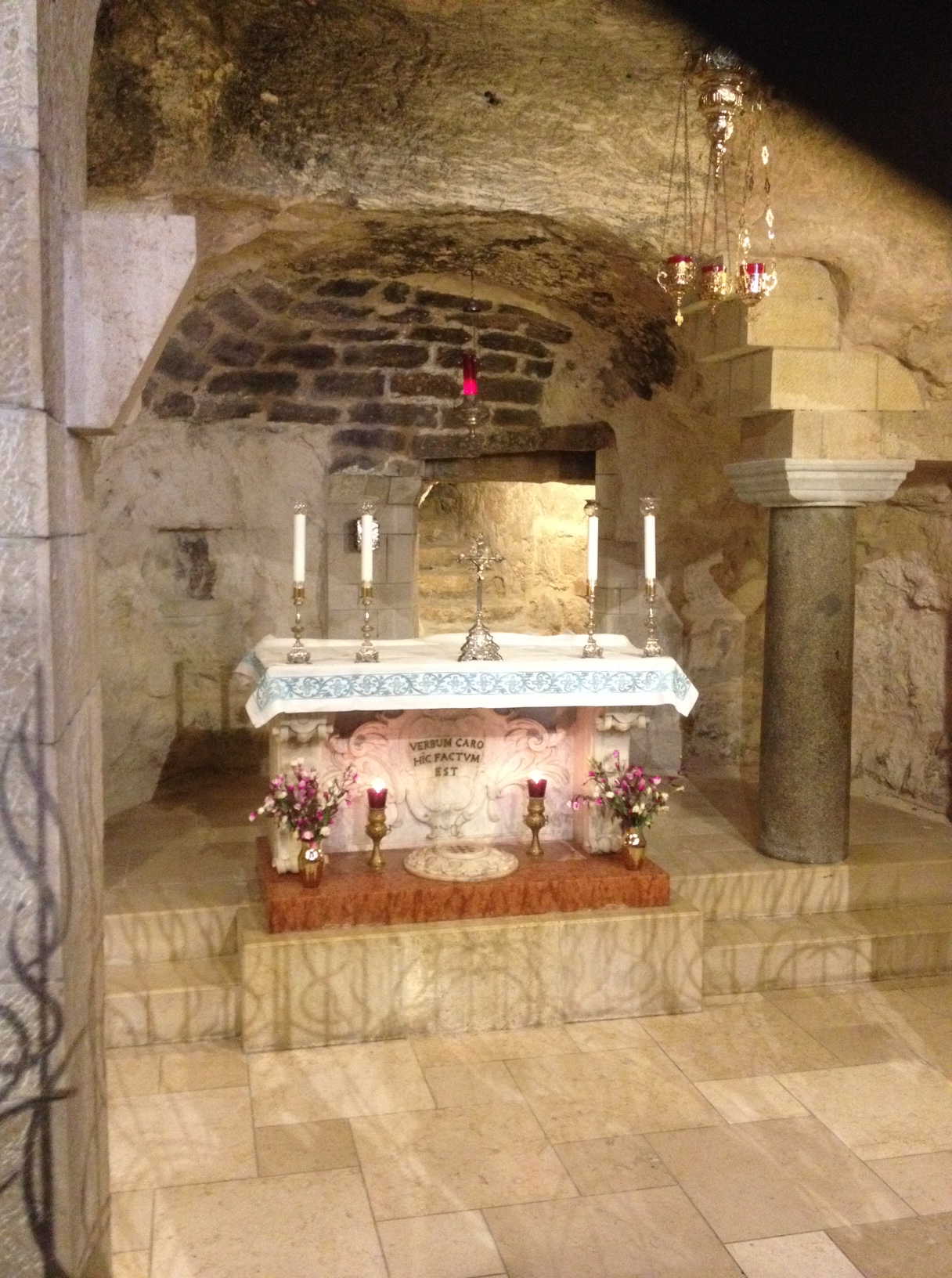
I celebrated my birthday with my family — my wife, son, daughter, mother, and father — in Nazareth. Like most Christian pilgrims, I was drawn to this place because it was the home town of Jesus.  According to Roman Catholic tradition, Mary received word that she would bear the Christ child in Nazareth, The current church building was constructed above the Grotto of the Annunciation, the site believed to be Mary’s home.

Grotto of the Annunciation

Grotto of the Annunciation


I was moved deeply to journey down to the grotto along with other pilgrims. It was a reminder of the depth, breadth, and width of faithful people following in the footsteps of other faithful ones who have gone before us.

Later in the day, after a delicious supper, we stopped by a bakery to find a birthday cake. We met Danny and Bashar, the father-and-son team that had baked the delicious treats that I thoroughly enjoyed. I was delighted to talk with these two wonderful bakers and even better people. Danny and Bashar

All of this made for a great day. I spent time with the people I love most. I journeyed to one of the most important places in my faith tradition. I met people from a different place with whom I shared great conversation. And, I created memories that will last a lifetime. A happy birthday, indeed!

Robben Island

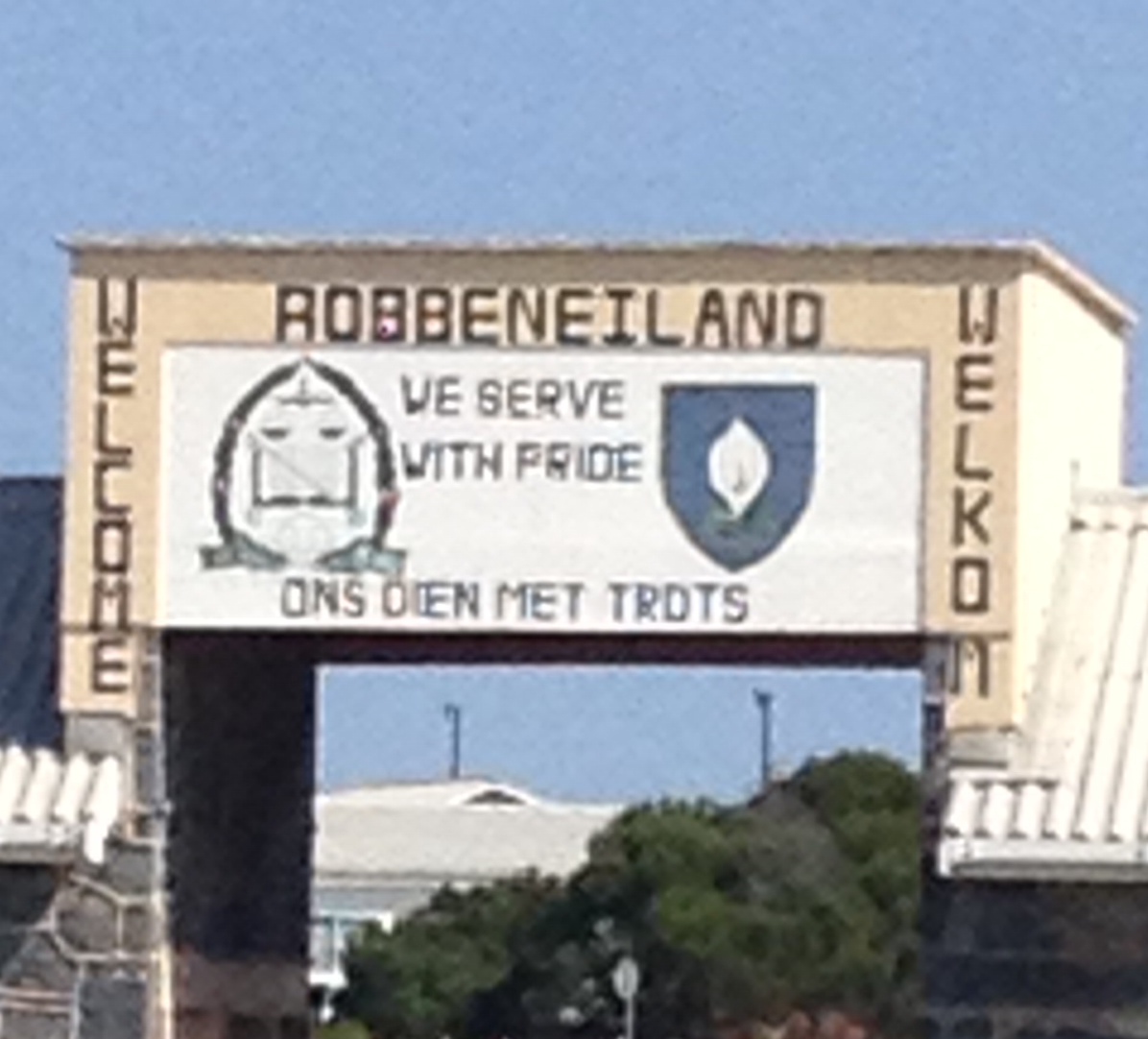
Robben EntryIn his autobiography, Long Walk to Freedom, Nelson Mandela says, “It is said that no one truly knows a nation until one has been inside its jails. A nation should not be judged by how it treats its highest citizens, but its lowest ones — and South Africa treated its imprisoned African citizens like animals.”

I have looked forward to many things about South Africa: natural beauty, delicious food, living history. I fully agree with all those who describe the stunning scenery of Cape Town. The food has been delicious, and this past Saturday we were treated to a fantastic dinner by neighbors in Yzerfontein. They served us Yellow Tail fish they caught from the Atlantic, Wildebeest sausage, and Springbok biltong (a type of dried and cured meat similar to jerky). These have been wonderful beyond words!

But it is the living history that most attracts me to South Africa, and Robben Island is the place that I most wanted to experience.

We traveled to Robben Island on a clear, sunny day. I was struck by the irony of such a beautiful place also being the setting for long and cruel imprisonments. The island is about eight miles from Cape Town, and the views of the city are incredible.

Table Mountain from Robben Island

Table Mountain from Robben Island

As our boat approached the island, my son said with surprise, “This looks more like a resort than a prison.” Mandela himself made the same comment on first seeing Robben Island.

To prepare for this visit, I read Mandela’s book, Long Walk to Freedom. In his book, Mandela describes long days filled with hard labor and difficult conditions. I felt a pit in my stomach looking at the quarry where prisoners worked five days a week for years on end. I listened to our guide, himself a former politcal prisoner at Robben Island, describe the apartheid system even in prison in which prisoners were treated differently based on their skin color. Black inmates, for example, were issued inferior clothes and given less food than prisoners from other racial backgrounds.

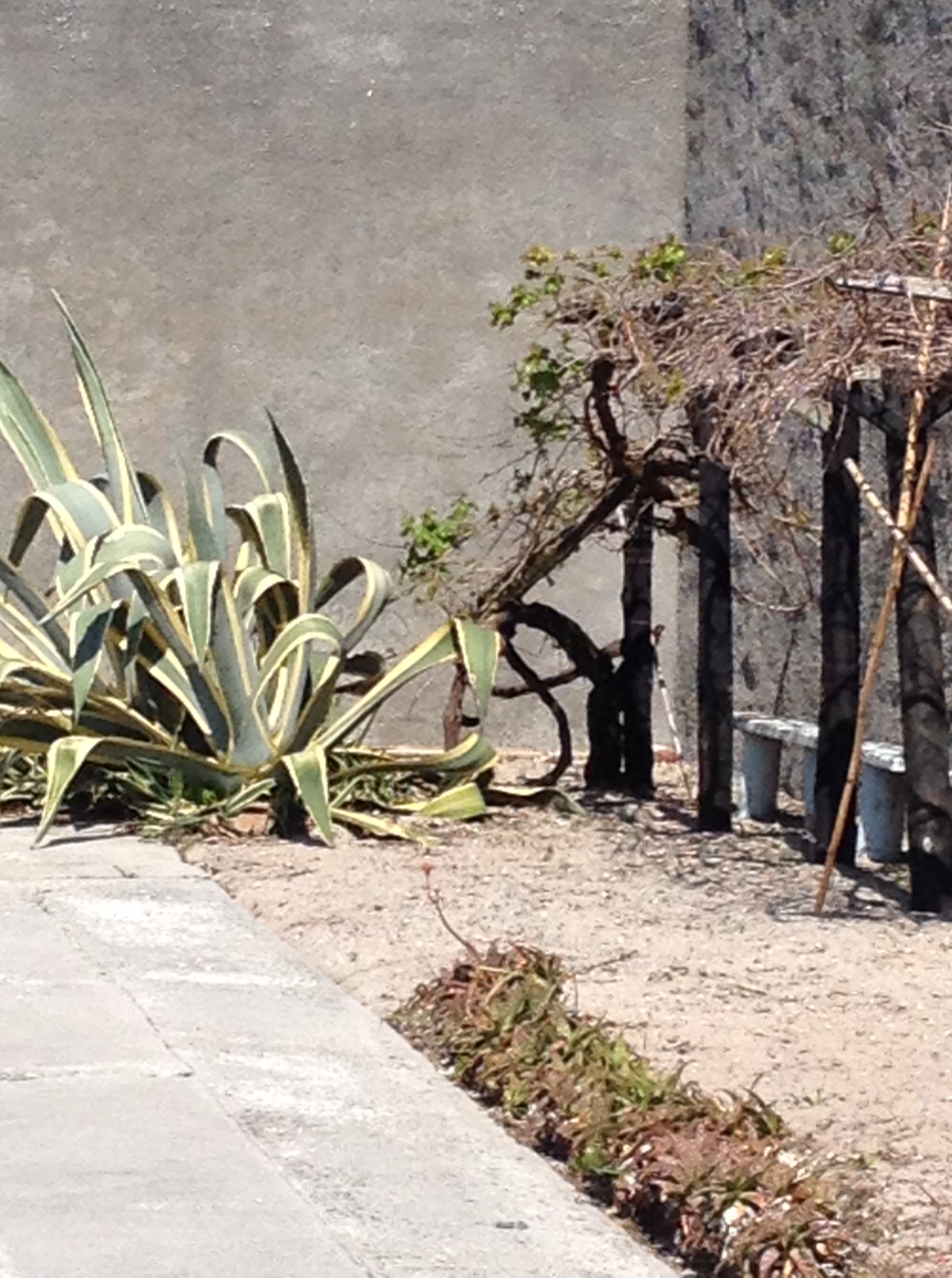
Site of Mandela's Garden

Site of Mandela’s Garden

Despite the unrelenting challenges, Mandela and other prisoners found ways to maintain their hope. Just outside the cell block, you can see the courtyard where Mandela eventually planted a garden and also hid parts of his memoirs in the soil (before they were discovered). In his book, Mandela describes creative ways prisoners maintained communication with one another and the outside world despite officials’ attempts to keep them isolated.

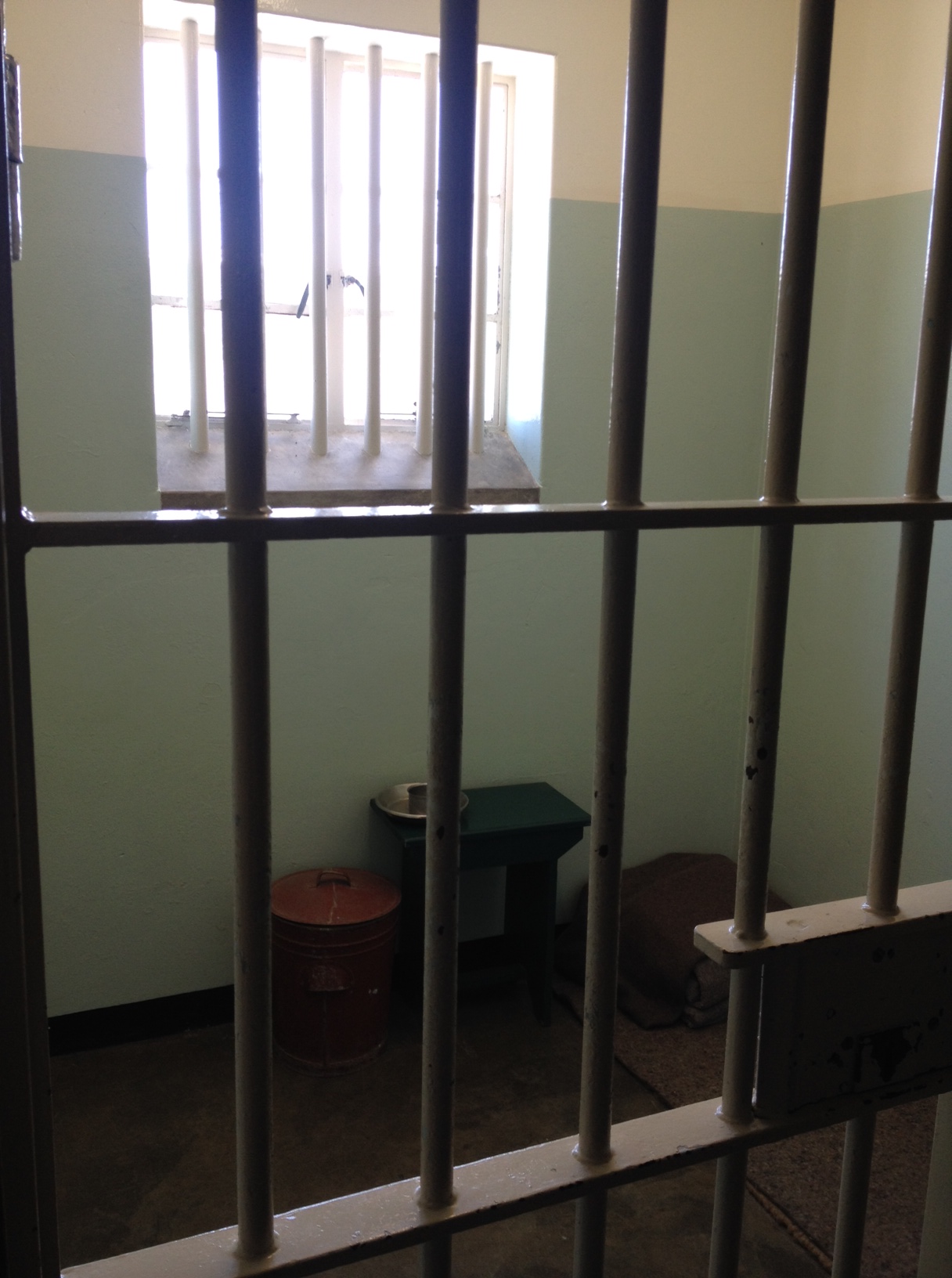
Mandela's Cell

Mandela’s Cell

I was most deeply moved to see Mandela’s cell. In this tiny place where he spent so many years of his life, Mandela remained committed to the cause of a free South Africa. He entered prison at age 44 (the same age I am now), and his commitment to the cause of freedom never waivered.

In his book, Mandela says, “No one is born hating another person because of the color of his skin, or his background, or his religion. People must learn to hate, and if they can learn to hate, they can be taught to love, for love comes more naturally to the human heart than its opposite. Even in the grimmest times in prison, when my comrades and I were pushed to our limits, I would see a glimmer of humanity in one of our guards, perhaps just for a second, but it was enough to reassure and keep me going. [Human] goodness is a flame that can be hidden but never extinguished.”

Thankfully, Mandela’s story — and that of South Africa — does not end at Robben Island. It continued after his release from prison and his time leading the country. Now following his death, it continues in the lives of people committed to reconciliation and justice.